Spotlight
Celebrating a Rare Sediment Cleanup Milestone in Washington State
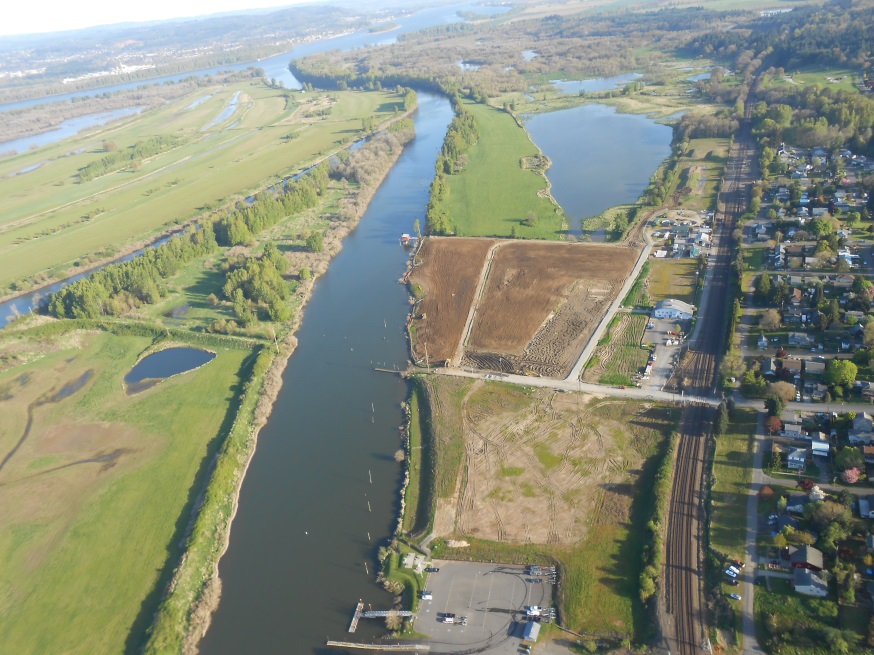
The Port of Ridgefield’s Lake River Sediment Cleanup Project reached an important milestone. A decade of monitoring confirmed that cleanup efforts reduced dioxins to just five parts per trillion, a level so small it is comparable to finding a single needle in a haystack the height of a six-story building. The Washington Department of Ecology has reviewed the results and determined that the cleanup is complete and no additional monitoring is required. This accomplishment stands out in the Pacific Northwest because large sediment sites rarely move through investigation, cleanup and closure within only ten years. This outcome is a remarkable example of successful collaboration and steady progress.
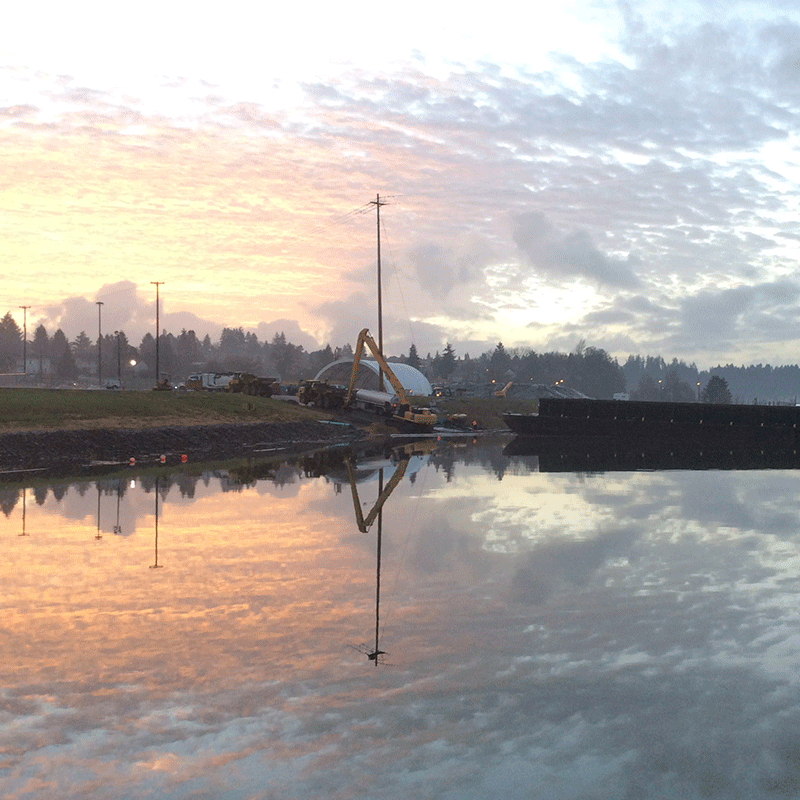
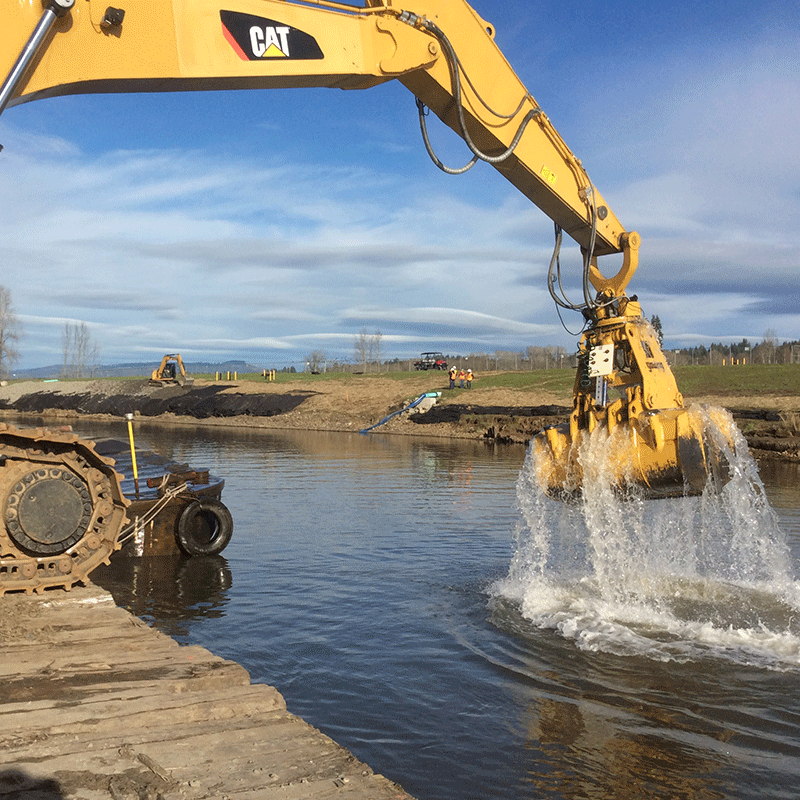
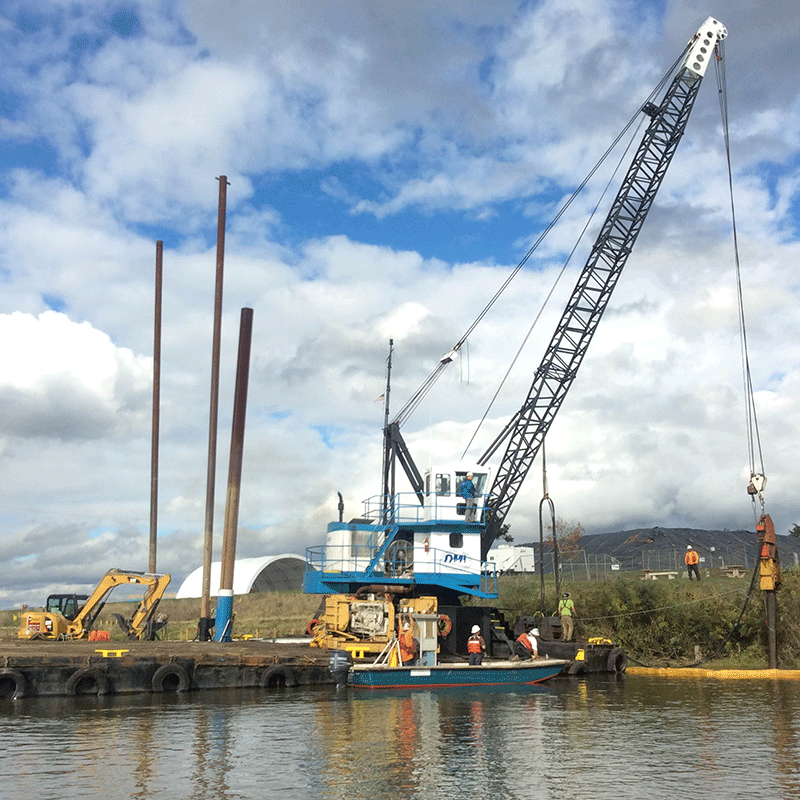
Overview of the Lake River Sediment Cleanup Project
History of the Site and Sources of Contamination
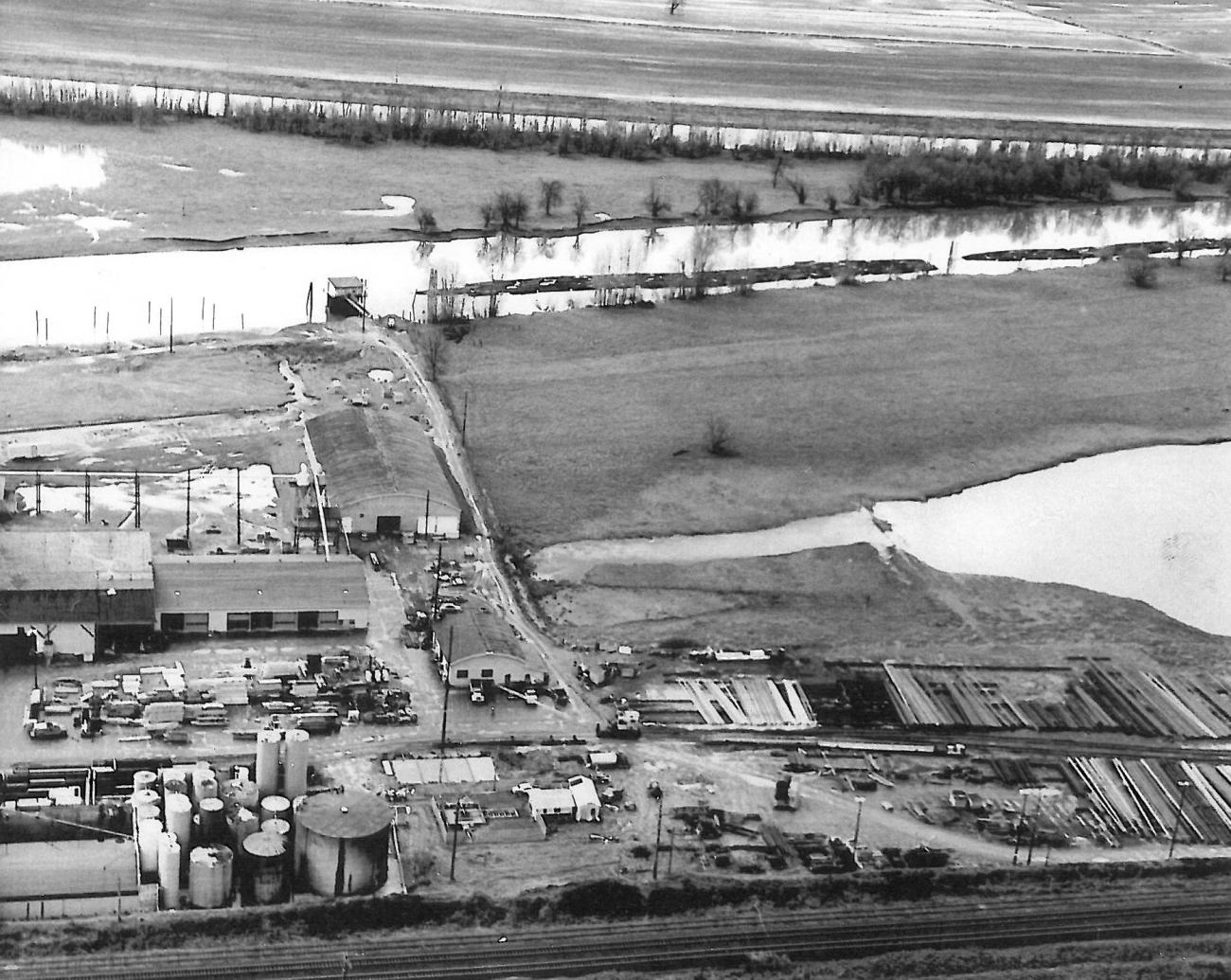
After 30 years of operation, Pacific Wood Treating Corporation declared bankruptcy and abandoned a 40-acre wood-treating site, leaving extensive soil, groundwater, and sediment contamination from chlorinated solvents, carcinogenic polycyclic aromatic hydrocarbons, petroleum hydrocarbons, pentachlorophenol, and dioxins. Sediments in Lake River, a tributary of the Columbia River, were contaminated with carcinogenic polycyclic aromatic hydrocarbons and dioxins, requiring further investigation and cleanup.
Regulatory Requirements and Initial Cleanup Challenges
Under an Agreed Order with Ecology, MFA conducted sampling in Lake River, performed statistical interpolation to define high- and low-risk areas, and identified remedies specific to the level of risk to balance effectiveness and cost. MFA identified dioxin bioaccumulation cleanup levels protective of endangered salmonids, piscivorous birds and mammals, and anglers. These cleanup levels, developed in collaboration with Ecology, incorporated practical quantitation limits determined through an MFA survey of laboratories. The methodology for developing PQLs to inform sediment cleanup levels was later incorporated into Ecology’s Sediment Cleanup User’s Manual.
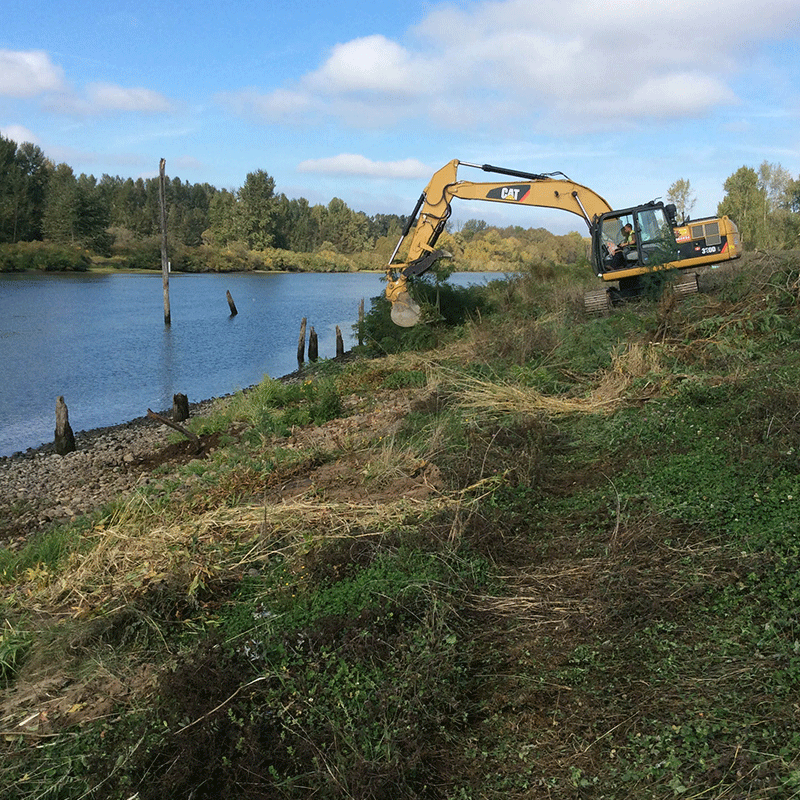
MFA identified preferred remedial alternatives that were protective and cost-effective, forming the basis for the cleanup action plan issued by Ecology. Components of the design and remedy included modeling to evaluate dredge residual deposition and mixing to predict post-dredge surface sediment concentrations, planting native species to reduce long-term water needs and increase sustainability, and managing remedial waste through Corrective Action Management Units under EPA’s Resource Conservation and Recovery Act. MFA prepared permitting documents for local, state, and federal agencies, including Joint Aquatic Resources Permit Applications, Endangered Species Act biological evaluations, and National and State Environmental Protection Acts assessments. MFA also addressed cultural resources protected under Section 106 of the National Historic Preservation Act.
Why Long‑Term Monitoring Was Essential to Cleanup Success
Verification Through Precision Dredging and Natural Recovery
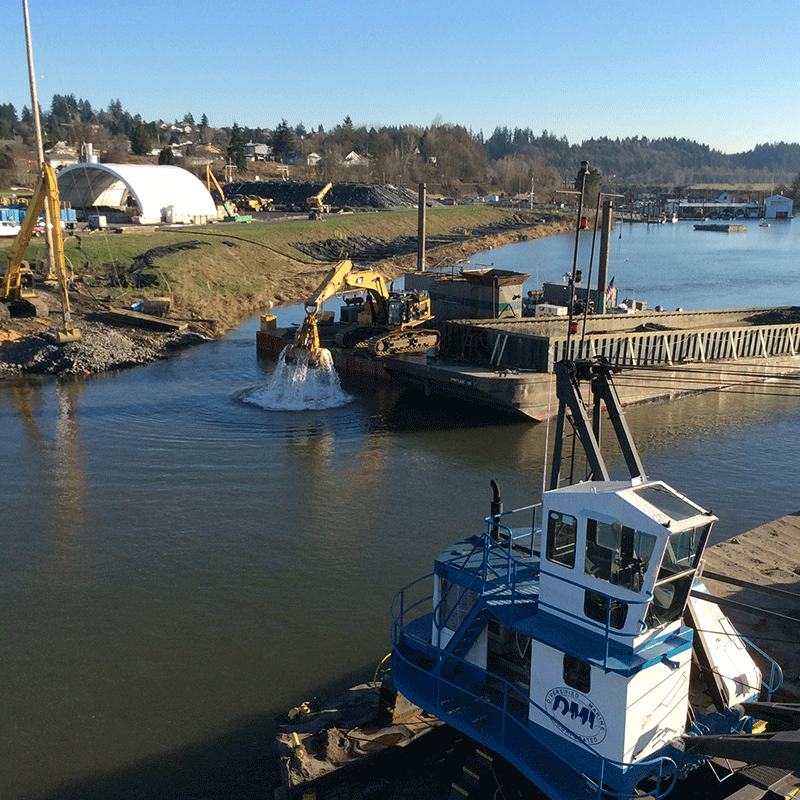
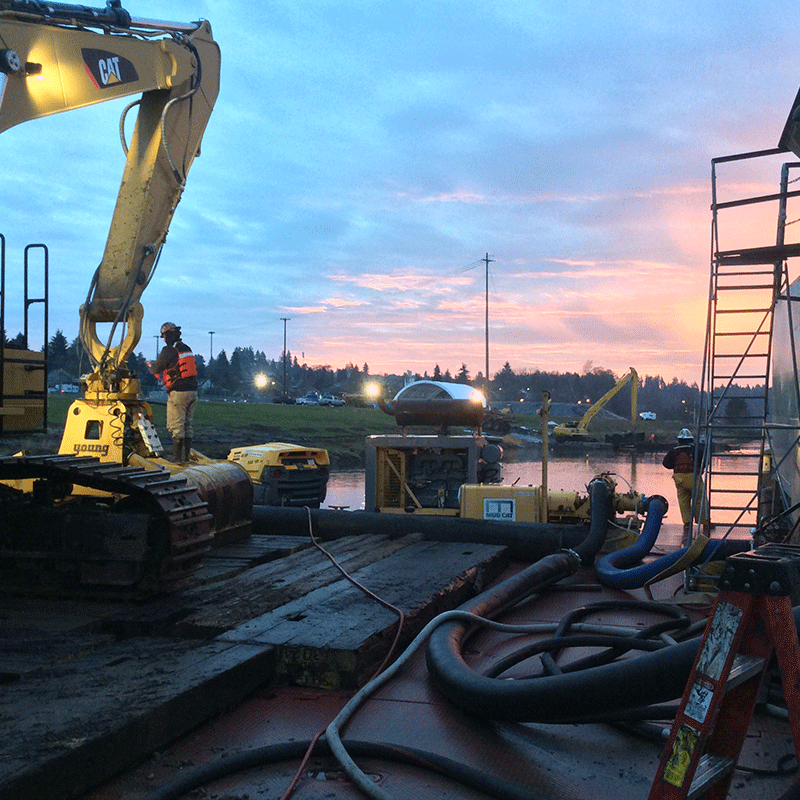
The Port and MFA successfully completed precision dredging (approximately 14,000 cubic yards) and enhanced monitored natural recovery remedies. MFA also conducted post-construction compliance monitoring of sediment conditions, demonstrating that cleanup levels were achieved. Ecology agreed that no further monitoring was required after the minimum negotiated monitoring period.
Why This Sediment Site Closure Is a Major Milestone in Washington
A Rare, Accelerated Cleanup Timeline in the PNW
Typical timelines for complex PNW sediment sites span 15 to 30+ years due to extensive Remedial Investigation and Feasibility Studies, stakeholder coordination, design, and long monitoring phases. The Port and MFA, in collaboration with regulatory partners and stakeholders, were able to complete this project in a much shorter timeline.
Environmental and Community Benefits of Reaching Closure
This project restores benthic habitats and reduces bioaccumulation in the food chain, supporting the aquatic community and recreational uses. Safe access to Lake River also supports upland redevelopment planning that will incorporate water access.
A Model for Future Sediment Cleanup Projects in the PNW
This project demonstrates that close coordination with regulatory partners and the community, well-defined objectives, and a goal-oriented team are essential to achieving in-water cleanup success — supported by MFA’s integrated expertise in environmental cleanup, site development, and communications.
Contact
Have Questions About the Project?
Reach out and we will contact you promptly!

Share this article on social media/email
Author